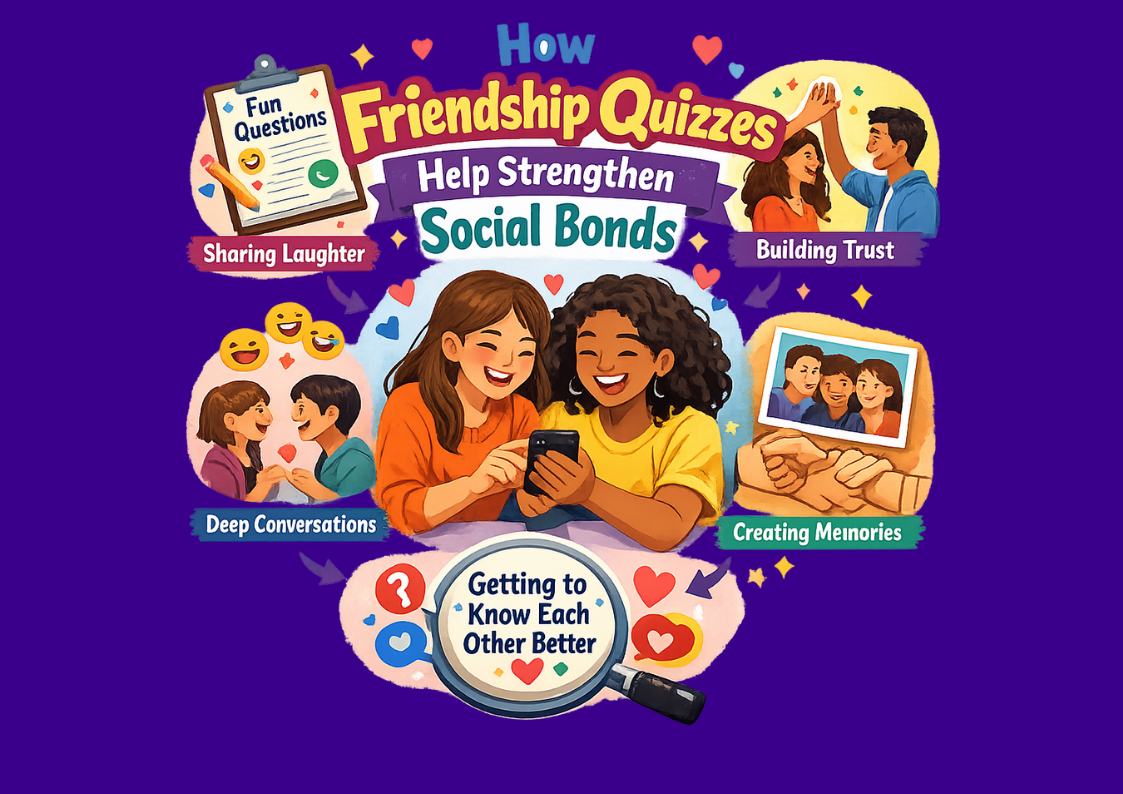
Friendship quizzes have become one of the most popular forms of social entertainment in the digital age. These interactive assessments allow people to test how well their friends know them personally, covering topics from favorite foods and childhood memories to personality traits and life preferences. Unlike traditional quizzes, friendship quizzes serve a dual purpose: they're entertaining to create and take, while also providing insights into the depth of relationships.
The concept of friendship quizzes emerged from the fundamental human desire to connect and share experiences. As social media platforms evolved, people began seeking more interactive ways to engage with their friends beyond simple posts and comments. Friendship quizzes filled this gap by offering a fun, low-pressure activity that encourages sharing and reveals surprising details about people's personalities, preferences, and histories.
What makes friendship quizzes particularly appealing is their accessibility and versatility. They require no special equipment or preparation, can be created quickly, and are easily shareable across various platforms. The format allows for both light-hearted questions and deeper, more meaningful inquiries, making them suitable for different types of relationships and occasions. Whether it's testing how well someone remembers shared experiences or discovering new facts about a friend, these quizzes create opportunities for laughter, surprise, and genuine connection.
The popularity of friendship quizzes has grown exponentially with the rise of social media and messaging apps. Platforms like Instagram, WhatsApp, and TikTok have made it incredibly easy to share and participate in these quizzes. The viral nature of certain quiz formats means that when one person creates a quiz, it often leads to others creating their own versions, creating a ripple effect that spreads the trend further.
From a psychological perspective, friendship quizzes tap into several important aspects of human behavior. They satisfy our curiosity about how others perceive us, provide validation about our relationships, and offer a structured way to learn new things about people we care about. The element of competition – seeing who scores highest – adds excitement while also revealing which friends pay attention to details and invest time in understanding us.
The format has also evolved to accommodate different types of relationships and purposes. Best friend quizzes focus on deep, intimate knowledge, while casual friend quizzes might emphasize shared interests or recent experiences. Some quizzes are designed to be humorous, featuring quirky questions that reveal personality quirks, while others aim to be more revealing, asking about values, dreams, and fears.
Educational institutions and relationship counselors have even begun recognizing the value of friendship quizzes as tools for building connections and improving communication. They serve as ice-breakers in group settings, conversation starters for new acquaintances, and ways to strengthen bonds between existing friends.
The technology behind friendship quizzes has also advanced significantly. Modern platforms offer sophisticated features like real-time scoring, detailed analytics, and social sharing options that enhance the user experience. These improvements have made it easier than ever to create engaging, professional-looking quizzes that provide immediate feedback and encourage participation.
Cultural factors have also contributed to the popularity of friendship quizzes. In an era where digital communication often feels superficial, these quizzes offer a way to create meaningful interactions and deepen connections. They provide an excuse to think about and discuss the people who matter most to us, encouraging reflection on the qualities that make friendships special.
The diversity of friendship quiz formats ensures there's something for everyone. From multiple-choice questions to open-ended prompts, from timed challenges to collaborative efforts, the possibilities are nearly endless. This variety keeps the format fresh and engaging, preventing it from becoming repetitive or predictable.
Looking at the broader social impact, friendship quizzes have helped normalize conversations about personal preferences, experiences, and emotions. They create safe spaces for vulnerability and sharing, which can strengthen emotional bonds and improve mutual understanding between friends.